
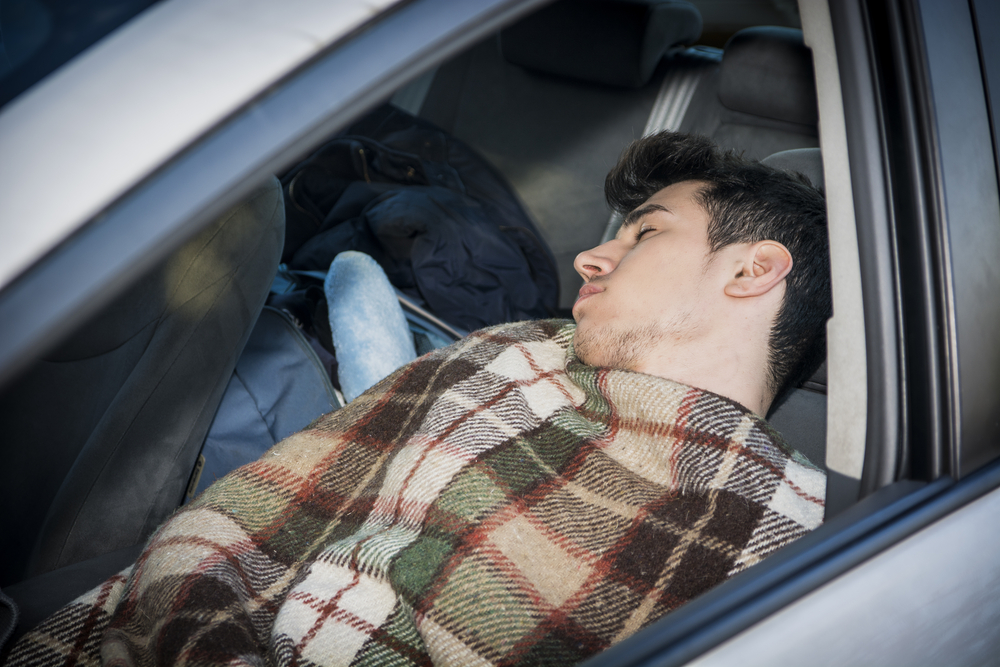
Can You Get a DWI for Sleeping in Your Car?
Have you ever taken a quick nap in your car after a night out? It seems like a safer alternative to driving home after a few drinks. But here’s something you might not know: New Jersey courts have said prosecutors can charge you with DWI if the police find you sleeping in your car while it’s running. It might not seem fair, but it’s the law, and it’s crucial to understand how these cases work.
How Can You Get a DWI Charge While Asleep?
New Jersey law defines drunk driving as operating a vehicle while under the influence of alcohol or other intoxicating substances. If the police catch you driving with a blood alcohol content (BAC) of 0.08 percent or higher, the law assumes you are too intoxicated to operate a vehicle safely.
However, it’s essential to remember that you can still face DWI charges even if your BAC is below the legal limit. For example, if the police see you weaving through traffic and smell alcohol on your breath after pulling you over, that might be enough evidence to justify a DWI charge, even without a BAC of 0.08 percent or higher.
How do these laws apply when you’re asleep in your car after a night out? According to recent court decisions, being found intoxicated in a running vehicle can be valid grounds for an arrest, even if you were asleep when the police found you.
What Counts as Operating a Vehicle in New Jersey?
The text of New Jersey’s drunk driving laws does not explicitly define what it means to “operate” a vehicle. However, we all intuitively know what it means to operate a vehicle, and simply being asleep in your car doesn’t count, right?
Wrong. In State of New Jersey v. Thompson, an appellate court ruled that being asleep behind the wheel can constitute operating or intending to operate a vehicle if the vehicle was running but not moving. They explained that operating or intending to operate a vehicle also covers an intoxicated person who moved or tried to move a vehicle when the engine wasn’t running.
The ruling might seem unfair, but it’s the law. Knowing more about how the police and courts define operating a vehicle can help with your defense.
Potential Defenses for DWI Charges While Sleeping in Your Car
Because the legal definition of operating a vehicle in New Jersey is so broad, you must tailor your defense strategy to account for it.
Some possible defenses in these cases include:
- Arguing that you had no intent to operate the vehicle while intoxicated
- Using evidence from the scene to show the vehicle was not running or ready to be immediately driven
- Arguing that you were not in a position to control the vehicle’s operation (for example, if the police found you in the back seat instead of in the driver’s seat)
- Challenging the field sobriety test, chemical blood test, or other evidence used to justify the arrest
- Challenging the legality of the police search or stop that led to the arrest
Get Legal Help from Our NJ DWI Attorneys
If the police accuse you of drunk driving after finding you asleep in your car, William Proetta Criminal Law can protect your rights and help you prepare a rigorous defense. Call us today or complete our contact form for a free and confidential case review.